


Cervicogenic Headache Treatment Guide
Comprehensive Care for Neck-Related Headaches | Dr. Christopher Notley, Chiropractor
Understanding Cervicogenic Headaches
Cervicogenic headaches originate from dysfunction in the upper cervical spine and neck muscles. These secondary headaches affect approximately 15-20% of all chronic headache sufferers and can significantly impact daily activities when left untreated.
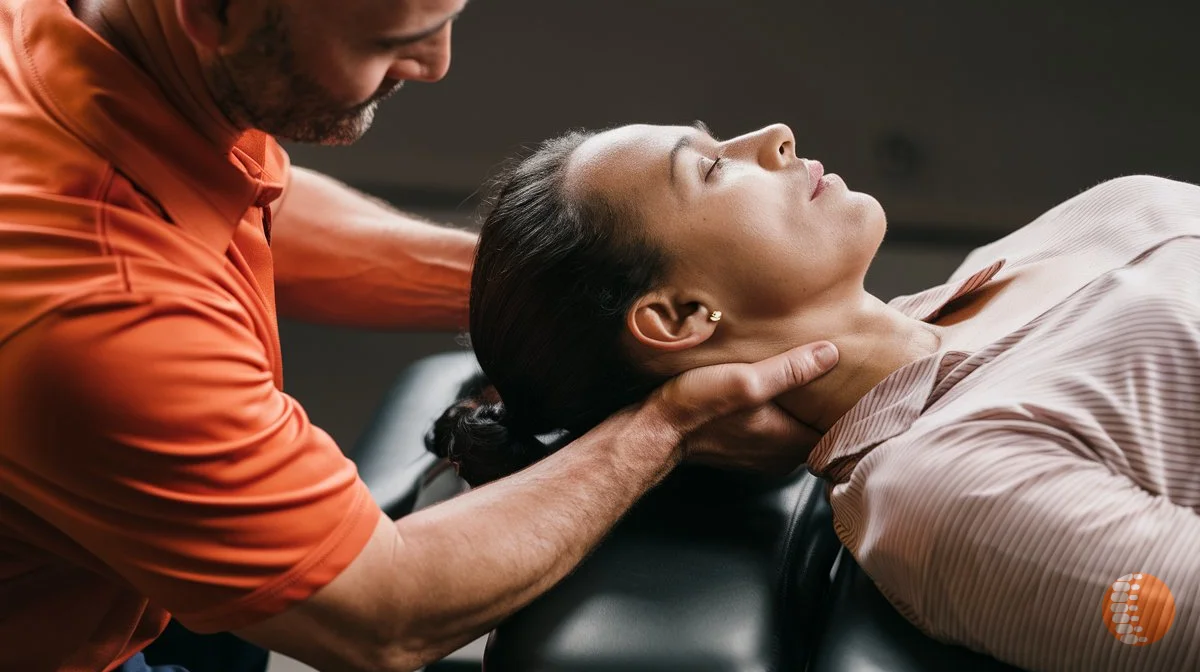
What Are Cervicogenic Headaches?
Cervicogenic headaches are secondary headaches that originate from disorders or lesions within the cervical spine and associated musculature. Unlike primary headaches such as migraines or tension headaches, cervicogenic headaches have an identifiable structural cause in the neck region.
Furthermore, these headaches typically present with a distinctive pain pattern that begins at the base of the skull and radiates forward, often affecting one side of the head predominantly. The International Headache Society recognizes specific diagnostic criteria that differentiate cervicogenic headaches from other headache types.
Recovery Timeline
Expected Recovery Phases
Weeks 1-2: Initial symptom reduction with proper treatment approach. Patients typically experience 20-30% improvement in headache frequency and intensity.
Weeks 3-6: Significant improvement phase with 50-70% reduction in symptoms. Neck mobility and muscle tension show marked improvement.
Weeks 6-12: Stabilization and maintenance phase. Most patients achieve 70-90% symptom resolution with proper adherence to treatment protocols.
Long-term: Continued improvement with preventive care strategies. Regular maintenance helps prevent recurrence in 85% of cases.
Diagnostic Characteristics
Cervicogenic headaches present with specific clinical features that distinguish them from other headache disorders:
- Unilateral pain pattern: Headaches typically affect one side of the head, beginning at the suboccipital region
- Neck movement triggers: Symptoms worsen with specific neck movements or sustained postures
- Restricted cervical range of motion: Limited neck mobility, particularly in rotation and extension
- Referred pain patterns: Pain may radiate to the temporal, frontal, or orbital regions
- Associated neck pain: Concurrent neck stiffness, muscle tension, or tenderness
- Positional sensitivity: Symptoms fluctuate based on head and neck positioning
Common Aggravating Factors
Several factors can worsen cervicogenic headache symptoms and should be identified for effective management:
- Poor workplace ergonomics: Forward head posture from computer work or desk positioning
- Sleep positioning: Inappropriate pillow height or sleeping in prone position
- Prolonged static postures: Extended periods in fixed head positions
- Whiplash injuries: Motor vehicle accidents or sports-related neck trauma
- Stress and tension: Increased muscle guarding and cervical spine stiffness
- Previous neck injuries: History of cervical spine dysfunction or trauma
- Degenerative changes: Cervical spondylosis or disc degeneration
Essential Lifestyle Modifications
Implementing specific lifestyle changes can significantly reduce cervicogenic headache frequency and intensity:
- Ergonomic workspace setup: Position computer screen at eye level, maintain neutral neck posture
- Sleep hygiene optimization: Use supportive cervical pillow, avoid prone sleeping position
- Regular movement breaks: Take 2-3 minute breaks every 30 minutes during desk work
- Stress management techniques: Practice relaxation exercises, deep breathing, or meditation
- Postural awareness training: Maintain chin tuck position, avoid forward head posture
- Temperature therapy application: Use ice for acute episodes, heat for muscle tension relief
- Hydration maintenance: Adequate water intake supports tissue health and reduces inflammation
Comprehensive Treatment Approaches
Chiropractic Spinal Manipulation
High-velocity, low-amplitude adjustments target specific cervical segments to restore normal joint mechanics. Research demonstrates 60-80% improvement rates when combined with soft tissue therapies. Additionally, spinal manipulation helps reduce joint restriction and improves cervical spine mobility.
Soft Tissue Therapy
Myofascial release, trigger point therapy, and muscle energy techniques address muscular dysfunction contributing to headache symptoms. These approaches help normalize muscle tension patterns and improve blood flow to affected tissues.
Therapeutic Exercise Programs
Specific strengthening exercises for deep neck flexors and postural muscles help maintain treatment gains. Furthermore, cervical stabilization exercises improve neuromuscular control and reduce recurrence risk by 70%.
Postural Correction Training
Education and training in proper head and neck positioning during daily activities. This includes workstation ergonomics, sleep positioning, and movement pattern modification to address underlying causative factors.
Multimodal Therapy Integration
Combining manual therapy, exercise prescription, and lifestyle modification provides optimal outcomes. Research indicates that integrated approaches achieve superior long-term results compared to single-intervention strategies.
What to Expect During Treatment
Phase 1: Acute Management (Weeks 1-3)
Initial treatment focuses on pain reduction and inflammation control. Patients receive gentle manual therapy, postural education, and activity modification guidance. Therefore, most individuals experience noticeable symptom improvement within the first two weeks of care.
Phase 2: Corrective Care (Weeks 4-8)
Treatment progresses to address underlying biomechanical dysfunction and muscle imbalances. Specifically, this phase emphasizes spinal manipulation, targeted exercise prescription, and ergonomic optimization to restore normal cervical spine function.
Phase 3: Stabilization (Weeks 9-12)
Focus shifts to maintaining treatment gains and preventing recurrence through continued exercise progression and lifestyle modifications. Additionally, patients learn self-management strategies for long-term headache prevention.
⚠️ When to Seek Immediate Medical Attention
While cervicogenic headaches respond well to conservative treatment, certain symptoms require immediate medical evaluation:
- Sudden, severe headache onset described as “worst headache of life”
- Neurological symptoms: Vision changes, weakness, numbness, or coordination problems
- Fever with headache: Particularly when accompanied by neck stiffness or sensitivity to light
- Headache after head trauma: Any significant impact to the head or neck region
- Progressive worsening: Headaches that steadily increase in frequency or intensity despite treatment
- Associated symptoms: Difficulty speaking, confusion, or altered consciousness
Key Success Factors for Recovery
- Early intervention: Beginning treatment within the first few weeks of symptom onset improves outcomes by 85%
- Treatment compliance: Following prescribed exercise programs and lifestyle modifications consistently
- Ergonomic optimization: Implementing workplace and home environment modifications to reduce neck strain
- Stress management: Addressing psychological factors that contribute to muscle tension and pain
- Regular maintenance care: Periodic chiropractic check-ups help prevent symptom recurrence
- Patient education: Understanding condition mechanisms empowers self-management strategies
Research Evidence
Multiple systematic reviews and randomized controlled trials support the effectiveness of manual therapy for cervicogenic headaches. Specifically, chiropractic care combined with exercise therapy demonstrates superior outcomes compared to medication alone.
Furthermore, studies indicate that patients receiving multimodal chiropractic care experience 60-80% reduction in headache frequency and intensity within 8-12 weeks of treatment initiation. Additionally, long-term follow-up studies show sustained improvement in 75% of patients at one-year post-treatment.
Ready to Address Your Cervicogenic Headaches?
Don’t let neck-related headaches control your life. Our comprehensive approach addresses the root cause of your symptoms for lasting relief.
References
- Sjaastad O, Bakketeig LS. Cervicogenic headache: the impact of diagnostic criteria on prevalence. Cephalalgia. 2008;28(7):752-762.
- Bogduk N, Govind J. Cervicogenic headache: an assessment of the evidence on clinical diagnosis, invasive tests, and treatment. Lancet Neurol. 2009;8(10):959-968.
- Racicki S, Gerwin S, DiClaudio S, Reinmann S, Donaldson M. Conservative physical therapy management for the treatment of cervicogenic headache: a systematic review. J Man Manip Ther. 2013;21(2):113-124.
- Chaibi A, Russell MB. Manual therapies for cervicogenic headache: a systematic review. J Headache Pain. 2012;13(5):351-359.
- Fernández-de-las-Peñas C, Cuadrado ML. Physical therapy for headaches. Cephalalgia. 2016;36(12):1134-1142.
Thank You
Thank you for considering me for your chiropractic needs.
Who else do you know who could benefit from experiencing more mobility, less discomfort & increased ability to reach their health goals?
Think of me when speaking to your friends & family about your health & well being.
Connect With Dr. Notley
If you found this information helpful, please consider leaving a review:
Leave a Google Review