Rib Pain: Costochondral Sprain/strain

Costochondral Sprain/Strain
Recovery Guide
Costochondral sprains and strains can be alarming and uncomfortable, especially when they affect your breathing and daily activities. This guide provides evidence-based information to help you understand your condition, set realistic expectations, and work toward a full recovery.
What is Costochondral Sprain/Strain?
A costochondral sprain/strain is an injury to the cartilage that connects your ribs to your breastbone (sternum). Think of it as a “pulled muscle” but involving the cartilage and ligaments around your ribs. It typically affects ribs 5–10 and causes sharp, localized chest wall pain that worsens with deep breathing, coughing, or twisting movements.
Studies demonstrate this condition most commonly occurs after sudden strain, forceful coughing, or even sneezing — affecting the cartilage junctions and surrounding soft tissues. The important thing to understand is that this condition is completely benign and highly treatable.
Recovery Timeline
-
Week 1Initial Phase Begin activity modification, thermotherapy, and gentle breathing exercises. Focus on reducing aggravating movements.
-
Week 2~50% Pain Reduction Most patients experience significant improvement. Introduce gentle thoracic mobility and postural exercises.
-
Weeks 4–675–90% Full Recovery Complete or near-complete resolution expected with proper care and treatment adherence.
-
3 Months~100% Resolution Nearly all patients achieve complete recovery with conservative treatment approaches.
Evidence-Based Treatment Approaches
Patient Education & Activity Modification
Understanding your condition is the foundation of successful recovery. This includes proper posture instruction, breathing techniques, and activity modification during the healing process.
Education about the benign nature of the condition and structured activity modification are foundational treatments recommended across clinical practice guidelines.
Thermotherapy (Heat & Ice Application)
Strategic application of moist heat or ice provides significant pain relief and helps reduce local inflammation. Apply for 10–20 minutes, 2–3 times daily as needed.
Thermotherapy is consistently recommended across medical literature and clinical practice guidelines for costochondral injuries.
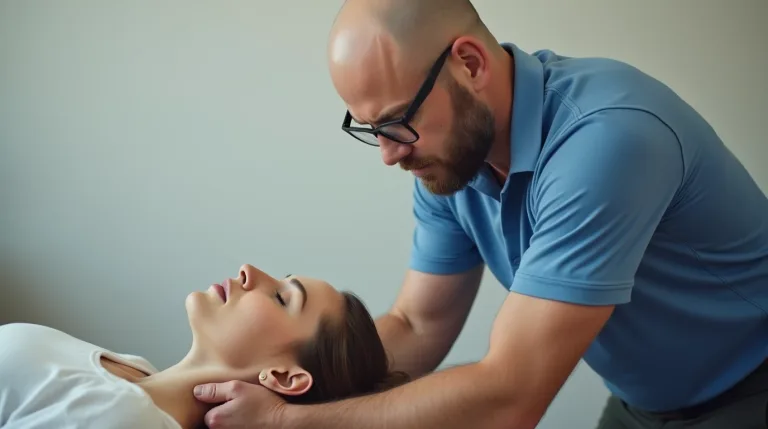
Manual Therapy (Chiropractic Treatment)
Gentle mobilization of the ribs and thoracic spine, combined with targeted soft tissue techniques, can significantly reduce pain levels and restore normal movement patterns.
Multiple case studies demonstrate significant pain reduction within 3–5 treatment sessions, with some patients experiencing complete symptom resolution.
Therapeutic Exercise & Mobility Training
Structured exercise programs help restore normal rib mechanics and prevent tissue stiffness. Your program will include:
- Progressive thoracic spine rotation
- Structured pectoral stretching
- Diaphragmatic breathing exercises
- Postural strengthening & stabilization
Early, gentle mobility exercises are recommended by clinical experts to promote optimal tissue healing and prevent secondary complications.
Factors That Affect Your Recovery
Optimising Recovery
Early treatment, consistent activity modification, regular thermotherapy, gentle mobility exercises, and proper posture all support faster healing.
What May Worsen It
Deep coughing, trunk twisting, overhead lifting, heavy pushing/pulling, poor posture, prone sleeping, and sudden uncontrolled movements can all aggravate recovery.
Essential Lifestyle Modifications
Activity Modification
Avoid overhead lifting for 4–6 weeks. Use proper body mechanics — lift with your legs, not your back or chest.
Sleeping Position
Sleep on your back or unaffected side. Avoid prone (stomach) sleeping as it can twist the spine and ribs.
Posture & Breathing
Keep shoulders back and chest open. Practice diaphragmatic breathing — breathe from your diaphragm rather than your chest.
Rest & Stress
Ensure adequate sleep for healing. Manage stress levels — tension increases muscle pain. Maintain gentle activity; avoid complete rest.
While costochondral rib pain is benign, seek immediate medical evaluation if you experience:
- Severe, crushing chest pain
- Significant difficulty breathing or acute shortness of breath
- Pain that radiates to your arm, neck, or jaw
- Dizziness, nausea, or sweating accompanying chest pain
- Symptoms that worsen significantly or fail to improve after 2 weeks
Ready to Begin Your Recovery?
Don’t let pain limit your daily activities. Take the first step toward recovery with evidence-based treatment.
Schedule Your ConsultationScientific References
- Spina AA. Chronic costochondritis in an adolescent competitive swimmer. J Can Chiropr Assoc. 2007.
- Barranco-Trabi J, Mank V, Roberts J, et al. Atypical Costochondritis: Complete Resolution of Symptoms After Rib Manipulation and Soft Tissue Mobilization. Cureus. 2021.
- Katz JN, et al. Costochondritis: Rapid Evidence Review. Am Fam Physician. 2021.
- Rojas-Valverde D, Ruiz-Yanarella D. Orthopedic manipulative therapeutic approach of costochondral pain after combined strenuous endurance exercise: a case report. Rev Ter. 2022.
- Bialosky JE, et al. The mechanisms of manual therapy: A living review of systematic reviews. PLoS One. 2023.
- Huddleston et al. Evaluation and Treatment of Musculoskeletal Chest Pain. Prim Care Clin Office Pract. 2013.
- Physiopedia. Costochondritis. Physiopedia. 2024.