


What Is the Half Kneeling Stretch?
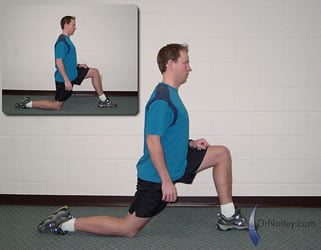
The half kneeling stretch (often called a hip flexor stretch or kneeling lunge stretch) is a simple mobility exercise used to improve movement through the front of the hip.
It is commonly recommended for people who experience:
- stiffness after long periods of sitting
- tightness during walking or running
- discomfort in the hips or low back
- reduced stride or mobility during activity
Rather than trying to permanently lengthen muscles, this stretch helps the body move more comfortably by reducing tension and improving tolerance to movement.
Why This Stretch Works
Modern research shows stretching helps primarily by improving how the nervous system tolerates movement — not by permanently changing muscle length.
When performed regularly, the half kneeling stretch can:
- decrease feelings of stiffness
- improve hip extension comfort
- reduce protective muscle tension
- prepare the body for strengthening exercises
Think of it as helping your hips move more freely, especially after long periods in one position.
How to Perform the Half Kneeling Hip Flexor Stretch
Step-by-Step Instructions
- Start in a kneeling position with one knee on the ground and the other foot in front.
- Keep your torso upright and ribs stacked over your pelvis.
- Gently shift your body forward until you feel a stretch in the front of the back hip.
- Lightly tighten your glutes on the kneeling side.
- Breathe normally and relax into the position.
Hold: 20–30 seconds
Repeat: 2–4 times per side
You should feel gentle tension, not pain.
Common Mistakes
Avoid these frequent errors:
- Arching the lower back excessively
- Leaning forward instead of moving the hips
- Forcing the stretch aggressively
- Holding your breath
A small, controlled movement is more effective than pushing deeper.
What Muscles Are Involved?
The stretch mainly affects tissues at the front of the hip, including:
- hip flexor muscles
- rectus femoris (front thigh muscle)
- surrounding connective tissue
These structures often feel stiff after prolonged sitting or repetitive athletic activity.
Benefits of the Half Kneeling Hip Flexor Stretch
Regular practice may help:
- improve hip mobility
- reduce stiffness from sitting
- make walking and running feel easier
- decrease strain on the low back during movement
- improve comfort during exercise
Many people notice improved movement immediately after performing the stretch.
When Can This Stretch Help?
Stiffness From Sitting
Long periods of sitting place the hips in a shortened position. Over time, this can create a feeling of tightness when standing or walking. This stretch helps restore comfortable movement.
Running or Training Tightness
Runners and gym-goers often develop front-hip stiffness due to repetitive motion and training load. Improving mobility helps the hips tolerate activity more comfortably.
Low Back Discomfort Related to Hip Stiffness
Limited hip motion can sometimes cause the lower back to work harder during movement. Improving hip mobility may reduce this extra strain.
Early Rehabilitation After Hip or Leg Irritation
Gentle stretching can improve confidence with movement and reduce guarding, making it easier to progress into strengthening exercises.
Who Should NOT Do This Stretch?
Avoid or modify the kneeling hip flexor stretch if you have:
- a recent hip or groin injury
- significant knee pain when kneeling
- recent surgery involving the hip, pelvis, or spine
- sharp or worsening pain during the movement
- numbness or tingling into the leg
If unsure, a personalized assessment is recommended before starting.
How Often Should You Do It?
For most people:
- 1–2 times daily works well
- consistency matters more than intensity
- best results occur when combined with strengthening exercises
Stretching improves movement comfort, while strengthening builds long-term resilience.
Why This Exercise Might Be Prescribed
Not everyone with hip or back discomfort needs the same stretches. The half kneeling stretch is usually recommended when an assessment shows that improving hip movement may make certain activities more comfortable.
A chiropractor or athletic therapist may include this exercise when they notice:
- limited hip extension during walking or lunging
- stiffness after prolonged sitting
- increased tension through the front of the hip during movement testing
- compensation through the low back during lower-body movements
In these situations, the stretch is used to help movement feel easier before progressing to strengthening and functional exercises.
It is typically part of a broader rehabilitation plan rather than a standalone treatment.
Related Exercises That Complement the Half Kneeling Stretch
- Quadruped Hip Circles (CARS) – Builds active control through hip range of motion.
- Side Bridge for Hip Mobility – Improves lateral hip stability and pelvic control.
- Passive Leg Lowering Progression – Enhances hip flexion control and coordination with core muscles.
- Cat–Cow Mobility Exercise – Reduces spinal stiffness and integrates hip movement with the spine.
- Wall Facing Squats – Combines hip and thoracic mobility into functional squatting and daily movement.
Tip for patients: Doing these exercises together — as recommended by your chiropractor or athletic therapist — can help the hips and spine move more comfortably during everyday activities and sports.
When to Seek Professional Help
Consider an assessment if:
- stiffness persists longer than a few weeks
- pain limits activity or exercise
- symptoms worsen despite stretching
- movement feels increasingly restricted
Originally posted on May 17, 2022 @ 4:37 pm